Last Z: Survival Shooter
- 4.5
- Rating
- 10.00M
- Installs
- Free
- Price
 Analysis by App-foxy
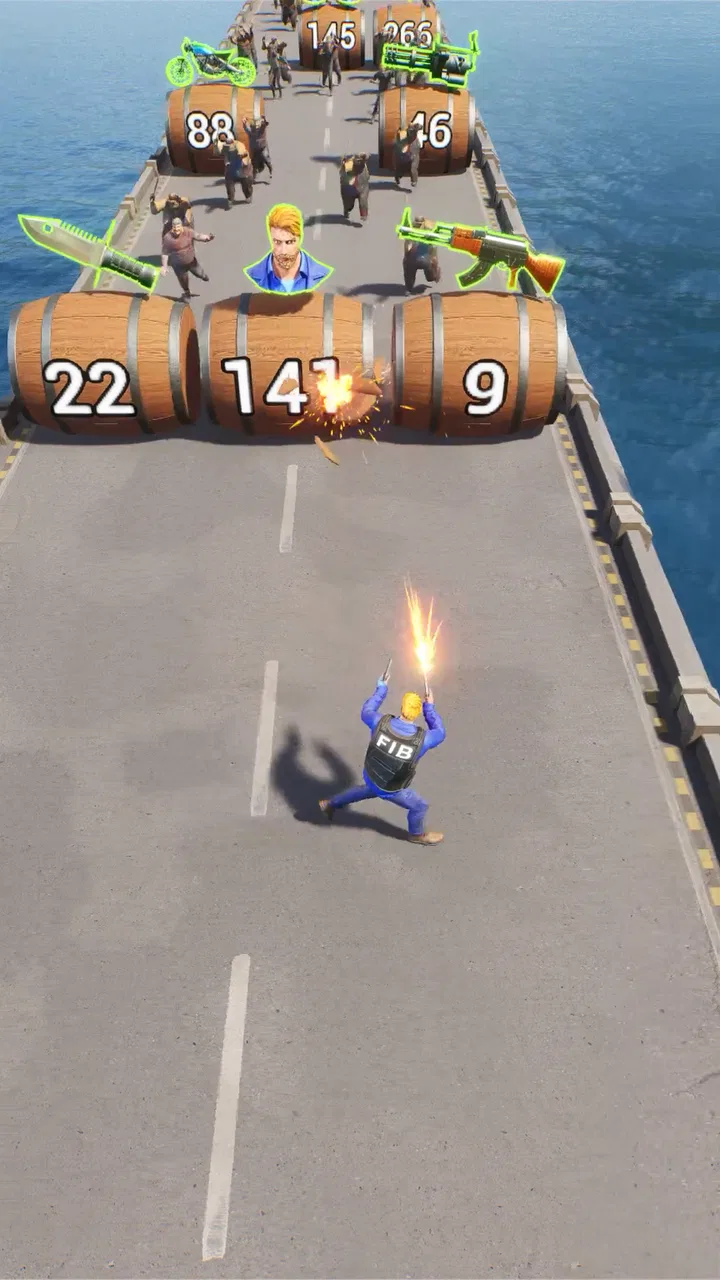
I spent time with Last Z: Survival Shooter, a strategy game from Florere Game that puts survival planning at the center of its post-apocalyptic setting. Its basic promise is simple: stay alive, build enough strength to face the danger around you, and make decisions that matter when resources and time are limited. What makes it worth discussing is not just the survival theme, but the way it asks you to balance immediate progress against preparation for the next threat.
The game is free to install, which makes trying it fairly easy. It is aimed at a Teen audience, runs on Android 6.0 or later, and its current version is 1.250.690. The store page shows a 4.6 average from around 603 thousand ratings, with more than 10 million installs. Those figures suggest that the game has found a large audience, although popularity alone does not tell you whether its pace and spending model will suit you.
How the survival strategy loop feels in practice
My first impression was that Last Z works best when I treat it as a planning game rather than a purely reflex-driven shooter. The apocalyptic presentation may attract players who expect constant action, but the more important question is how I use each opportunity to improve my position. Choosing what to develop, what to preserve, and when to take a risk has more lasting impact than simply rushing through every encounter.
You May Also Like

 Pandora - Music & Podcasts
Pandora’s Music Is Easy to Start, but Harder to Recover
Pandora’s strength is its low-effort path from a seed to a station. Its weak spot is how much confidence it asks you to place in connection, setup, and quiet recovery.

 8 Ball Pool
 Is Built on Rivalries, Rematches, and Routine
A close look at the rivalries, rematches, shared routines, and unanswered safety questions that turn a quick pool match into a persistent mobile community.

 Samsung Music
’s Quiet Strength Is Playing What You Already Own
Its reach comes less from spectacle than from dependable access to a personal library. That simplicity is both the app’s strongest retention engine and its ceiling.

 AccuWeather: Weather Radar
AccuWeather Review: A Quick, Clear Forecast for Everyday Decisions
For everyday plans, the best forecast is the one you can understand quickly. AccuWeather makes rain timing, radar, and local conditions easy to act on, with a few trade-offs.

 Hill Climb Racing
Why Hill Climb Racing Still Turns Crashes Into One More Run
A tiny car, a bumpy hill and one more upgrade: Hill Climb Racing keeps resurfacing because its simple chaos makes every near-miss feel personal.

 AliExpress - Shopping App
AliExpress Makes Global Shopping Feel Personal, but Shoppers Bear the Risk
AliExpress turns a global marketplace into a pocket-sized discovery engine. Its reach is useful, its shopping loop compelling, and its trade-offs easy to miss.
More From Our News Desk
View All News


That distinction matters because mobile survival games often become repetitive when every decision is obvious. Here, the enjoyable moments come from having to think ahead. A short session can be used to make a modest improvement, while a longer session gives me room to pursue a more ambitious objective. I found that flexibility useful when playing around everyday interruptions rather than treating the game like a full-time commitment.
The strongest part of the experience is the tension between progress and vulnerability. Spending resources immediately can make the next step easier, but holding back may leave me better prepared for a more demanding situation. That creates a small but meaningful layer of risk management. I was rarely making decisions in isolation; I was considering what the choice would mean a few actions later.
Why the free entry point matters
Last Z is free to play, so the initial value proposition is clear: I can install it and decide for myself without paying an upfront purchase price. That is different from a premium strategy game, where the main question is whether the complete package justifies a single payment. Here, the relevant test is whether the free experience remains useful before optional spending becomes tempting.
The game includes in-app purchases ranging from $0.99 to $99.99 per item. I would therefore approach it with a fixed personal rule: enjoy the free progression first, and only consider spending if a purchase solves a problem I genuinely have rather than a problem created by impatience. That rule is especially important in a survival game, where waiting or falling behind can make a shortcut feel more attractive than it really is.
For someone who wants a free strategy game to sample during commutes or short breaks, this structure is convenient. For someone who dislikes any game that presents optional purchases during progression, the same structure may be a reason to skip it. The free installation does not automatically mean unlimited value; it means the entry barrier is low enough to test the experience personally.
What I actually get from playing
The value comes from the combination of short-term activity and longer-term preparation. I can focus on surviving the next challenge, then shift attention toward strengthening my overall position. That change of perspective prevents the game from feeling like a single repeated action, at least when I actively vary my goals.
I also appreciate that the strategy layer gives the setting more purpose. The ruined-world theme would be thin if it only provided decoration, but the survival framing makes every improvement feel connected to a larger objective. I am not simply collecting progress for its own sake; I am trying to create enough stability to handle what comes next.
One useful habit is to avoid spending every available resource as soon as it appears. Keeping a reserve gives me more freedom when an unexpected obstacle arrives. This is a small adjustment, but it changes the way I play: instead of reacting to every prompt, I begin to think in terms of a safe minimum and a flexible surplus. That is the kind of practical lesson a generic action game usually does not offer.
Another worthwhile approach is to separate “progress” from “comfort.” An upgrade that makes the current moment easier may not be as valuable as one that improves future options. When I compare two possible uses for the same resources, I ask which one will still matter after the next stage of play. This helps reduce waste and makes the strategy feel more deliberate.
A realistic everyday session
Imagine opening the game during a lunch break with only a few minutes available. I would not begin by chasing the largest objective on the screen. I would first check what can be completed safely, use the session to improve a weak point, and stop before turning a controlled situation into an unnecessary risk. That makes the game suitable for fragmented play, provided I am comfortable leaving longer goals unfinished until I return.
In the evening, I might use a longer session to review the consequences of those smaller choices. If I spent too freely earlier, I may have fewer options now. If I preserved resources and improved the right area, I can take a more confident step forward. This two-speed rhythm is one of the better reasons to try Last Z: it can support both quick check-ins and more focused planning.
The tradeoff is that players looking for instant action may find the slower decisions less exciting. The game’s appeal depends on enjoying preparation, not merely the payoff. If I want every minute to deliver fast movement and immediate spectacle, a dedicated arcade shooter would probably be a better match.
Where the strategy can become frustrating
The same systems that create tension can also create friction. Waiting for progress, managing limited resources, or deciding whether to use a purchase can make the game feel less direct than its shooter-oriented presentation suggests. I found that the experience is more satisfying when I accept the slower rhythm; if I expect uninterrupted action, the pauses feel like obstacles rather than part of the design.
There is also a psychological tradeoff in free-to-play progression. Even without paying, I may start comparing my current pace with the faster route offered by an optional purchase. That can change the mood from survival planning to efficiency chasing. My advice is to decide in advance whether I am playing for the decisions or for rapid completion. If the answer is rapid completion, the purchase range deserves careful thought before I spend.
The highest listed purchase price is $99.99 per item, which is a serious amount compared with a traditional one-time mobile purchase. I do not see that as a reason to dismiss the game automatically, because the free entry point lets me test it first. I do see it as a reason to avoid treating the purchase menu as part of the default cost. The only reliable value calculation is the one I make after understanding how much I enjoy the free loop.
Players should also be realistic about the Teen rating. This is not positioned as a gentle, child-focused survival game. Anyone choosing it for a younger player should consider whether the darker apocalyptic tone and the presence of in-app purchases fit that player’s age and household rules.
Small decisions that improve the experience
My first practical tip is to set a session goal before starting. “Improve one weak area” is better than opening the game without a plan and spending everything on whatever appears first. A simple goal keeps short sessions focused and makes it easier to judge whether the game is giving me meaningful progress.
My second tip is to keep a buffer. Survival games reward preparation, and a reserve protects me from making a decision that looks efficient now but leaves me exposed later. I would rather finish a session with unused resources than discover that I cannot respond to the next problem because I spent everything on a minor improvement.
My third tip is to judge purchases by time saved, not by excitement. A low-cost item may be reasonable if it supports a game I already enjoy, but a larger purchase should not be justified simply because the game has made waiting uncomfortable. Since the items range from $0.99 to $99.99, the difference between a small experiment and a major commitment is substantial.
A fourth useful habit is to stop while the session still feels controlled. It is easy to continue after completing the original goal and then make a hurried choice. Ending after a successful step preserves the sense of progress and gives me a clearer plan for the next visit. That approach is particularly helpful for players who tend to spend impulsively when they are tired or distracted.
Who will get the most value
Last Z is a good fit for players who enjoy strategy wrapped in a survival setting. If you like deciding when to push forward, when to conserve, and how to turn limited opportunities into lasting progress, the game offers enough structure to keep those questions interesting. It is also a sensible option for people who want to try a game without paying upfront.
It suits players who can accept an uneven pace. Some sessions may feel productive because a careful decision opens new possibilities; others may feel more like maintenance. That is not necessarily a flaw, but it means the game rewards patience more than constant excitement.
The game is less suitable for anyone seeking a completely purchase-free environment. Even if I never spend money, the presence of optional items can affect how I evaluate progress. Players who prefer a fixed-price experience, with every system available after one payment, may feel more comfortable with a premium strategy alternative.
I would also point fast-action fans toward a different category if their priority is immediate shooting rather than preparation. Last Z uses its survival identity to encourage planning, so the player who wants quick matches and little resource management may find the central loop too deliberate.
How it compares with familiar alternatives
Compared with a conventional arcade shooter, Last Z asks me to think beyond the current encounter. The reward is not only the satisfaction of reacting well; it is the knowledge that a good decision can improve the next part of the journey. That makes it more mentally engaging, but also less instantly accessible.
Compared with a traditional premium strategy game, its free entry is more inviting. I can explore the core appeal before deciding whether it deserves any money from me. The disadvantage is that optional purchases and progression pressure can make the cost of full enjoyment less predictable than a single upfront price.
Compared with slower base-building games, the survival-shooter framing gives the experience a stronger sense of urgency. I am not simply decorating or expanding for its own sake. The downside is that the darker setting and risk-focused decisions may not appeal to players who want a relaxed management game.
Those comparisons lead to a clear conclusion: Last Z is not trying to replace every strategy or action game. Its best audience is the overlap between people who enjoy post-apocalyptic survival and people who like making careful decisions with limited resources.
Device and access considerations
Android users with version 6.0 or later can run the game, which covers a broad range of devices. I would still leave room for the possibility that performance and comfort vary between phones, especially during longer sessions. A game can be technically compatible while still feeling less enjoyable on a small screen or older device.
The current version is 1.250.690, so anyone installing it should use the most recent version available through the relevant app store rather than relying on an old installation package. Keeping the game current is sensible for stability and access to the developer’s latest changes, without assuming that every update will transform the underlying experience.
Florere Game has built a recognizable survival strategy package here, and the response from players is strong: the game holds a 4.6 average and has around 603 thousand ratings. I treat that as useful context rather than a substitute for personal fit. A highly rated game can still be wrong for someone who dislikes resource pressure or in-app purchases.
My buy-or-skip verdict
I recommend trying Last Z if you want a free strategy game with an apocalyptic survival mood and you enjoy planning more than simply reacting. The absence of an upfront price makes experimentation easy, and the game has enough decision-making depth to reward players who conserve resources and think a step ahead.
I would skip it if you want a fully premium experience, dislike purchase prompts, or expect a nonstop shooter. I would also skip it if you prefer games where every session delivers a large, visible reward. Last Z is more patient than that, and its best moments come from building a stronger position over time.
My final view is positive but cautious. The free access gives the game a fair chance to earn my attention, while the broad purchase range means I should keep spending separate from enjoyment. The smartest way to play is to treat money as optional, planning as the main skill, and patience as part of the challenge. For the right player, that makes Last Z a worthwhile survival strategy game rather than just another post-apocalyptic theme wrapped around a shooter.
FAQs for Last Z: Survival Shooter
01What is Last Z: Survival Shooter about?
Last Z: Survival Shooter is a thrilling action game where players navigate a post-apocalyptic world teeming with zombies. The main objective is to survive waves of undead by using a variety of weapons and strategic planning. The game offers both solo and multiplayer modes, enhancing replayability and social interaction.
02What platforms is Last Z: Survival Shooter available on?
Last Z: Survival Shooter is available for both Android and iOS devices. Users can download it from the Google Play Store or the Apple App Store. Ensure your device meets the minimum system requirements for optimal performance and gaming experience.
03Does Last Z: Survival Shooter require an internet connection?
While Last Z: Survival Shooter can be played offline in its solo mode, certain features such as multiplayer battles and leaderboards require a stable internet connection. Playing online also allows for regular updates and access to special events and rewards.
04Are there in-app purchases in Last Z: Survival Shooter?
Yes, Last Z: Survival Shooter offers in-app purchases. Players can buy additional weapons, skins, and other enhancements to improve gameplay. Although the game is free to download, these purchases can enhance the gaming experience and speed up progression.
05Is Last Z: Survival Shooter suitable for all ages?
Last Z: Survival Shooter is rated for mature audiences due to its graphic violence and intense zombie action. It's recommended for ages 17 and up. Parents should be aware of the game's content and utilize parental controls if necessary.
Pros
- Intuitive controls enhance gameplay.
- Variety of weapons keeps it exciting.
- Stunning graphics for immersive experience.
- Engaging storyline adds depth.
- Regular updates with new content.
Cons
- In-app purchases can be costly.
- Requires constant internet connection.
- Some levels feel repetitive.
- High battery consumption.
- Occasional lag on older devices.

Last Z: Survival Shooter
Gallery